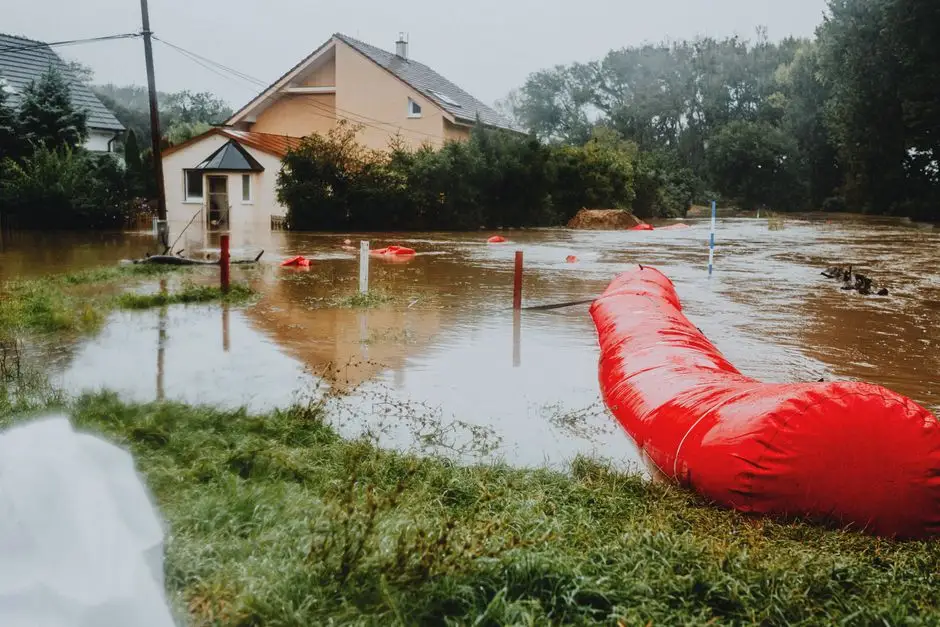
Fast water removal, structural drying, and mold prevention for Albany homes
Basement flood cleanup Albany NY done right the first time
When your basement takes on water, every hour counts. Our basement flood cleanup Albany NY team responds 24/7 with truck-mounted extraction, commercial dehumidifiers, and moisture mapping that finds hidden water behind finished walls. We handle burst pipes, sump pump failures, sewage backups, and storm flooding across Albany County. You get a dry, verified basement and a written drying log, not a sales pitch.
Live phone supportUpfront optionsBacked workmanship
What's included
What our basement flood cleanup includes
Every basement flood cleanup Albany NY job starts with a full inspection and moisture map, then moves through extraction, drying, and verification. Here is what is covered in a standard scope, and what we quote separately if your situation calls for it.
Emergency extraction and water removal
Truck-mounted and portable extraction units remove standing water from concrete, carpet, and low spots. We use absorbent pads for the final pass on hard surfaces. Most residential basements are dry to the touch within two to four hours.
Moisture mapping and thermal imaging
A moisture meter, thermal imaging camera, and inspection camera survey the space to find hidden water behind finished walls, under flooring, and around floor drains. This step determines the true scope before any equipment gets placed.
Structural drying with commercial equipment
Air movers and Dri-Eaz or Phoenix Restoration Equipment dehumidifiers run until readings hit the dry standard for each material. We log hygrometer and psychrometer readings twice daily and adjust placement as wet zones shrink.
Antimicrobial treatment
Framing, concrete, and any salvageable materials get treated with antimicrobial solution to stop mold growth after water damage. Sewage backups get full disinfection with a stronger agent after contaminated materials are removed.
Insurance documentation
We photograph affected materials, log daily readings, and build an Xactimate-compatible scope your adjuster can work from. You get copies of everything at the end of the job.
Final verification and drying log
Before we pull equipment, every affected zone gets a final moisture reading compared against its dry standard. You receive a written drying log documenting the whole process, which is useful for warranty and resale purposes.
Service overview
What basement flood cleanup Albany NY actually involves
Basement flood cleanup Albany NY is the process of removing standing water, extracting saturated materials, and drying a below-grade space back to verified-dry standards so mold cannot take hold. It starts with a moisture meter and thermal imaging camera survey to map how far water traveled, then truck-mounted extraction pulls the bulk of it out. From there we set air movers and dehumidifiers, check readings with a hygrometer and psychrometer twice a day, and document everything with Xactimate-compatible photos for your insurance claim.
Albany basements flood for predictable reasons. The city's housing stock runs heavily pre-1950, with stone foundations, clay footing drains, and original cast iron supply lines that fail without warning. Add freeze-thaw cycles from November through March and the spring snowmelt off the Helderbergs, and you get a lot of flooded basement cleanup Albany NY calls in a short window. If you're searching flooded basement cleanup near me Albany at 2 a.m., we answer the phone and roll a crew.
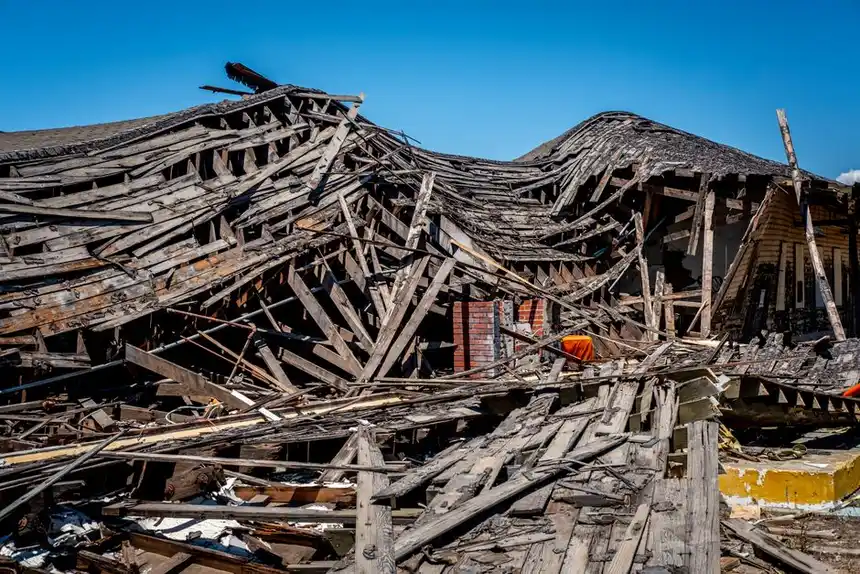
How we workWe verify the cause, compare realistic options, and confirm the repair before we leave.
The service timeline
Our basement flood cleanup process, step by step
The process flexes to the condition, but these checkpoints keep decisions clear.
Emergency call and dispatch
You call (833) 321-7054. We ask what flooded, how deep, and whether sewage is involved, because that changes our PPE and containment setup. A crew rolls with a water extraction unit, air movers, and a dehumidifier on board. Most Albany addresses see us on site within 60 to 90 minutes for true emergencies.
Inspection and moisture mapping
We walk the space with a moisture meter and thermal imaging camera to find water you cannot see, including behind finished drywall and under vinyl plank. An inspection camera checks floor drains and sump pits. This takes 20 to 40 minutes and tells us exactly how far the job extends before we touch anything.
Water extraction
Truck-mounted and portable extraction units pull standing water out of carpet, concrete, and low spots. A sump pump failure that dumped two inches across 600 square feet is usually dry to the touch in two to three hours. Sewage backup cleanup adds a full removal of contaminated porous materials first.
Drying and dehumidification
We position air movers along the walls to drive evaporation and run Dri-Eaz or Phoenix Restoration Equipment dehumidifiers to pull that moisture out of the air. Expect three to five days of runtime for a typical Albany basement. We check readings twice daily and adjust equipment placement as the wet zones shrink.
Verification and handoff
Final moisture readings get compared against the dry standard for each material. We photograph everything, log the numbers, and walk you through what dried, what we removed, and what needs replacing. If mold remediation or drywall repair is needed, we scope it clearly so you know the next step.
Tools & methods
Tools and methods we use
Purpose-built equipment, used by trained technicians, so the job is done accurately the first time.
Thermal imaging camera
Finds hidden moisture behind finished drywall, under flooring, and in ceiling cavities without tearing anything open. It is how we map the true extent of a flood before we place a single air mover.
Moisture meter and hygrometer
Measures moisture content in materials and relative humidity in the air. We use both to set drying targets and to verify the job is actually done, not just dry to the touch.
Dri-Eaz and Phoenix dehumidifiers
Commercial LGR dehumidifiers pull hundreds of pints of water per day out of basement air. They are the difference between a four-day dry and a ten-day dry.
Truck-mounted water extraction unit
Moves large volumes of standing water fast. A truck mount can pull hundreds of gallons in under an hour, which limits how far water wicks into walls and flooring.
HEPA vacuum and antimicrobial solution
HEPA vacuums capture mold spores during remediation, and antimicrobial solution treats framing and concrete to stop regrowth. Both are standard on any job where water sat more than a day.
Polyethylene sheeting and containment barriers
Isolates contaminated work areas during sewage backup cleanup and mold remediation so spores and debris do not spread to the rest of the house.
Use cases
When to call for basement flood cleanup
These examples show how the service framework adapts rather than forcing every call through one repair.
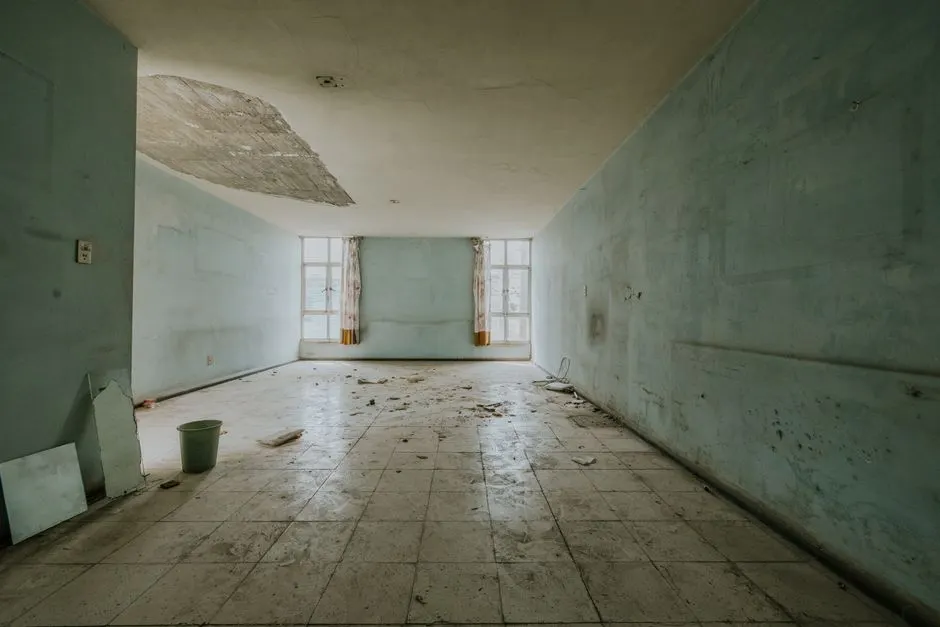
Sewage backup in a Center Square rowhouse
Heavy rain overwhelmed the city line and sewage backed up through a floor drain, spreading across 400 square feet of a basement used for storage. Contaminated water touched boxes, a washer, and the bottom of a finished wall. → We contained the area, removed all contaminated porous materials, disinfected with antimicrobial solution, and dried the structure in five days. The washer was salvaged after disinfection, and everything else was documented and disposed of properly.
Sump pump failure during a March storm
A 15-year-old sump pump quit during a storm and three inches of water spread across an 800-square-foot unfinished basement in New Scotland. The homeowner called at 11 p.m. and water was still rising. → We were on site in just over an hour, extracted the water by 1 a.m., and set drying equipment the same night. Four days of drying brought all readings to target, and the concrete floor and framing were verified dry.
Problems we solve
Basement flooding problems we solve in Albany
Most Albany basement floods trace back to one of a handful of causes. Here is what we see most often and what happens if it is left alone.
Sump pump failure during a storm
We extract immediately, cut out saturated drywall and insulation below the flood line, dry the framing, and document everything for your claim. We also flag whether your pump needs a battery backup before the next storm.
Burst pipe or supply line leak
Shut the water off if you can, then call us. We extract, remove ruined materials, and dry the cavity. Because the water is clean, more of your flooring and drywall can often be saved than with a sewage backup.
Sewage backup after heavy rain
We suit up in full PPE, contain the area with polyethylene sheeting, remove all contaminated materials, and disinfect with antimicrobial solution. Then we dry the structure and document the scope for insurance.
Stone foundation seepage and clay drain failure
We find the extent with thermal imaging, dry the affected zones, treat with antimicrobial, and seal what we can. We also tell you honestly when the fix is a drainage contractor, not a restoration crew.
Pricing process
What basement flood cleanup costs in Albany
$1,200 - $4,500 for most residential jobs, with sewage backups and large finished basements running higher
Square footage affected
The single biggest driver. A 300-square-foot utility room takes a fraction of the equipment and time that an 800-square-foot finished basement does. Extraction, drying equipment count, and monitoring visits all scale with area.
Water category
Clean water from a burst pipe is the cheapest to handle because more material can be saved. Gray water and sewage backup require removal of porous materials, full disinfection, and more disposal, which adds cost and time.
How long water sat
Water that sat more than 48 hours usually means mold growth after water damage, which adds containment, HEPA vacuuming, and antimicrobial treatment. Calling early is the cheapest decision you can make.
How much does basement flood cleanup cost in Albany NY?
Most Albany basement flood cleanup jobs run $1,200 to $4,500, with the average around $2,400. A small clean-water job under 300 square feet can land near $1,200, while a sewage backup requiring full material removal and disinfection pushes past $5,000. Square footage, water category, and how long the water sat are the three biggest cost drivers.
How long does basement flood cleanup take in Albany?
Extraction takes two to four hours, and full structural drying runs three to five days for a typical Albany basement. Sewage backups and finished basements with saturated drywall and insulation can stretch to seven days. We check moisture readings twice daily and give you a realistic completion date after the first inspection, not a guess.
Does insurance cover basement flood cleanup in Albany New York?
Most Albany County homeowners policies cover sudden water discharge, including burst pipes, supply line leaks, and appliance failures. Standard policies usually exclude groundwater and surface flooding, which requires separate flood insurance. We document the loss with photos and Xactimate scopes so your adjuster has what they need to process the claim.
How do I prevent basement flooding in Albany NY?
Test your sump pump every spring before snowmelt, install a battery backup, and keep gutters and downspouts discharging at least six feet from the foundation. Insulate exposed supply lines in unheated spaces to prevent freezing, and have a plumber inspect aging cast iron or galvanized pipe. For stone foundations, regrading and a dehumidifier set to 50 percent humidity make a real difference.
Related services
Related Services
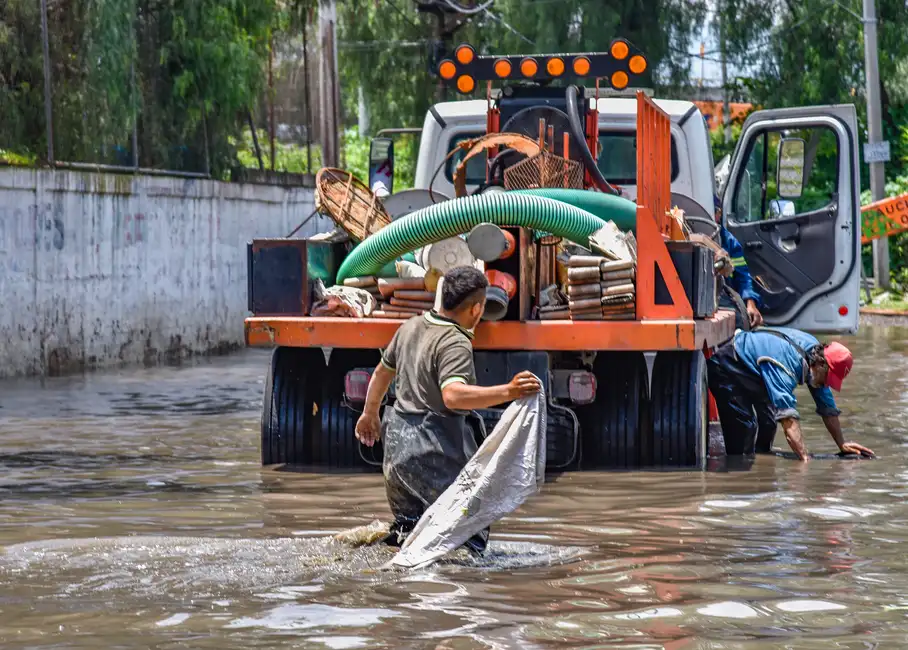
flood restoration services
When storm water or a failed sump pump puts inches across your floor, flood restoration services cover extraction, drying, and material replacement in one scope. We handle the whole sequence for Albany homeowners so you are not coordinating three separate contractors.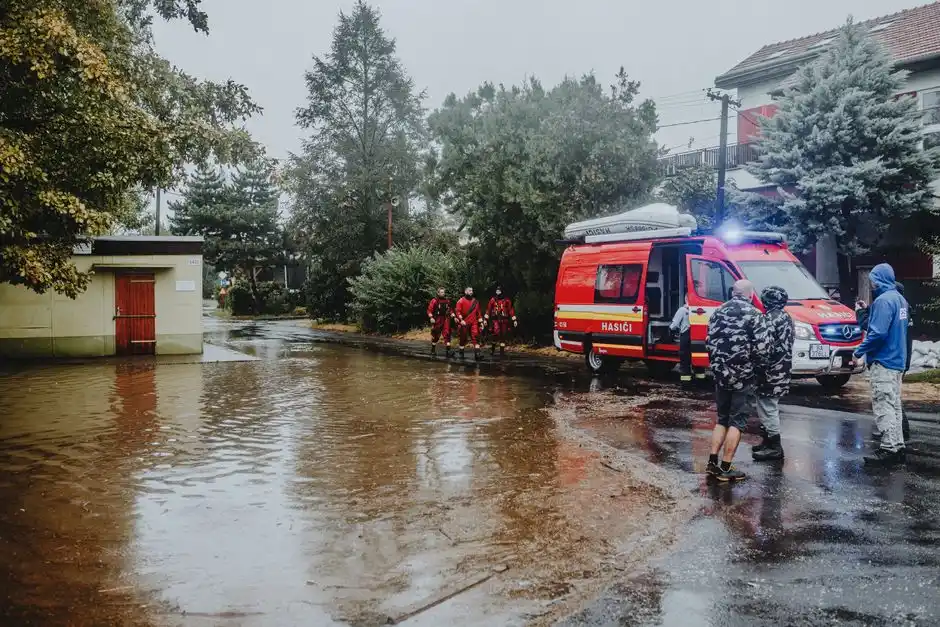
emergency water removal
Emergency water removal is the first two hours of any flood job. Our truck-mounted extraction units pull standing water fast, which limits how far it wicks into drywall and flooring. Available 24/7 across Albany County.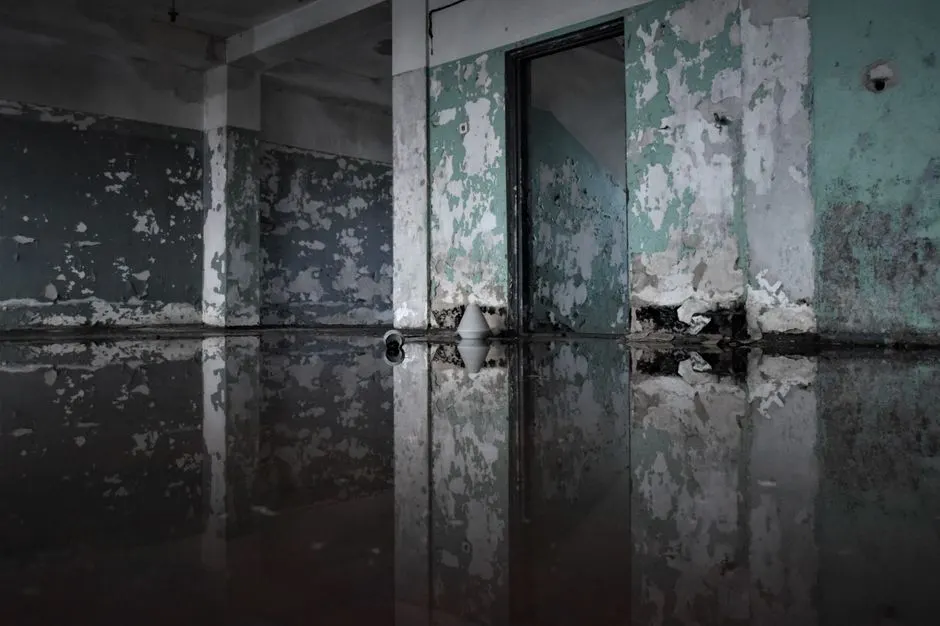
mold remediation after water damage
If water sat more than 48 hours, mold growth after water damage is likely. We contain the area with polyethylene sheeting, run HEPA vacuum and antimicrobial treatment, and remove affected porous materials under IICRC AMRT protocols.Ready when you are
Need basement flood cleanup Albany NY today?
We answer the phone 24/7 and dispatch crews across Albany County with extraction and drying equipment already loaded. Call (833) 321-7054 and we will give you a real ETA and an upfront scope before we start.
Talk with the local team
Request basement flood cleanup
Reach us any time, day or night. Our dispatchers answer live 24/7 and can have a crew at your door in 60 to 90 minutes anywhere in Albany. If you are not sure whether you need emergency service, call anyway and we will tell you straight.