Sewage backup cleanup in Albany: health risks and steps
A sewage backup is a biohazard, not a mop job. Here are the real health risks in Albany homes, the cleanup steps that work, and when to call a pro.
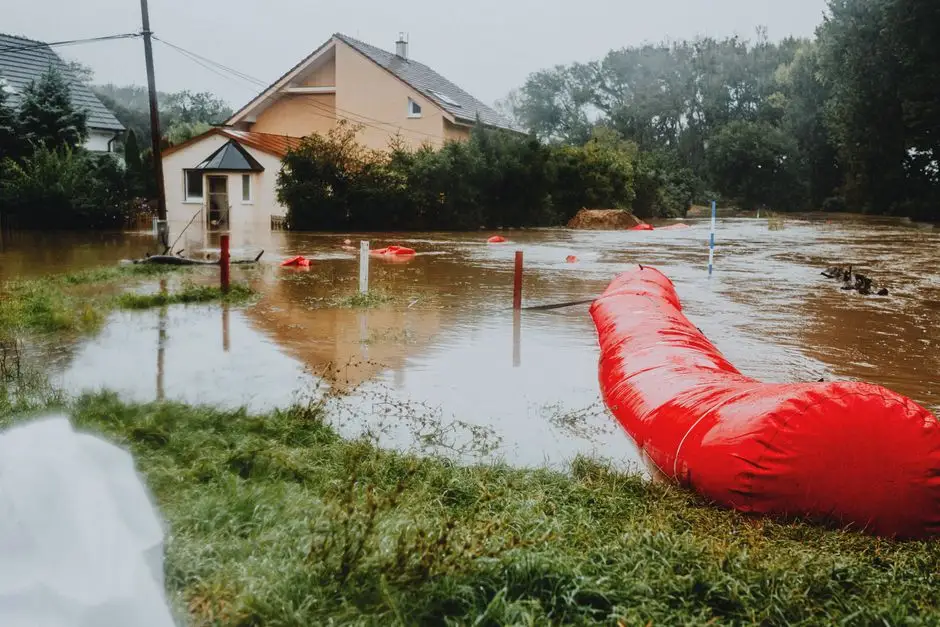
Sewage backup cleanup in Albany NY is a biohazard job, not a mop-and-bucket job - the water carries bacteria, viruses, and parasites that can make you sick within hours of exposure, and the contamination soaks into drywall, carpet, and subfloor faster than most people realize. The two things that matter most are getting people and pets away from the affected area immediately, and getting the space disinfected and dried by trained technicians before mold and odor set in. Below we walk through the actual health risks, the step-by-step cleanup process, what it costs in Albany in 2026, and when it's time to stop DIY and call us.
What makes a sewage backup different from a clean-water leak
The restoration industry classifies water into three categories, and sewage is Category 3 - the worst. Category 1 is clean supply-line water. Category 2 is gray water from a washing machine or dishwasher. Category 3, which includes anything backing up from a toilet, floor drain, or main sewer line, is considered grossly contaminated and requires full disinfection, not just drying.
That classification matters because it changes every decision downstream. You don't save the carpet. You don't wipe the baseboards and move on. Porous materials that have absorbed Category 3 water get removed and disposed of, and hard surfaces get treated with hospital-grade disinfectant before any drying equipment goes in. For homeowners comparing this to a typical water leak restoration Albany NY job, the difference is roughly double the labor and a mandatory antimicrobial step.
If the backup came from a toilet rather than the main line, the scope is usually smaller but the contamination is the same. We treat every toilet overflow cleanup Albany NY call as Category 3 until testing says otherwise.
The real health risks of a sewage backup in Albany NY
Sewage backup health risks in Albany come down to three exposure routes: touching contaminated surfaces, breathing aerosolized droplets, and accidentally ingesting bacteria from hands or food. Raw sewage routinely carries E. coli, Salmonella, Hepatitis A, Norovirus, Giardia, and Cryptosporidium - and a single gram of sewage can contain millions of bacteria.
The symptoms people actually report after a DIY cleanup are stomach cramps, diarrhea, vomiting, and low-grade fever showing up 12 to 48 hours after exposure. Respiratory irritation - coughing, sore throat, sinus pressure - is common when someone spends an hour in a closed basement with a wet vac running, because the machine aerosolizes bacteria into the air.
Who is most at risk
- Children under 5 and adults over 65
- Anyone pregnant, immunocompromised, or on immunosuppressant medication
- People with asthma, COPD, or existing respiratory conditions
- Pets that walk through the affected area and then lick their paws
If anyone in the household fits those categories, they should stay out of the building until the space is cleaned, disinfected, and dried. That's not caution for its own sake - it's the same guidance the CDC gives for Category 3 water events.
There's a second wave of risk that shows up a week or two later: mold. Sewage-soaked drywall and framing start growing mold within 24 to 48 hours in a humid space, and Albany basements stay humid well into spring. We see this constantly on mold remediation after water damage Albany NY jobs where the original backup was "cleaned up" with bleach and a fan.
How do I clean up a sewage backup in Albany?
The safe answer for any backup larger than a small bathroom puddle is: you don't - you call a professional. But if you're dealing with a contained spill and waiting on a crew, here is the sequence that keeps you from making it worse.
- Stop the source. Shut off water to the affected fixture if you can, and stop using any drain that feeds the backed-up line. Every flush or load of laundry pushes more water in.
- Cut power to the area. If water is anywhere near outlets, a sump pump, or the furnace, kill the breaker for that zone before you step in.
- Get people and pets out. Close the door and keep kids and animals away from the room entirely.
- Suit up. Rubber boots, nitrile gloves, eye protection, and an N95 or P100 respirator. No exceptions - a cloth mask does nothing against aerosolized bacteria.
- Ventilate. Open windows and run a box fan pushing air out, not a fan blowing into the room.
- Remove standing water. A wet vac rated for liquids works for small volumes. Bag and discard the filter afterward.
- Pull porous materials. Carpet, pad, cardboard, and any soaked drywall below the water line get bagged and thrown out. Don't try to save them.
- Disinfect hard surfaces. A 1:10 bleach-to-water mix or a commercial quaternary disinfectant, applied and left wet for the contact time on the label - usually 10 minutes.
- Dry it out. Air movers and a dehumidifier running 24 to 72 hours. A wet basement with no airflow will mold.
- Document everything. Photos before, during, and after. Your insurance adjuster will want them.
One more thing: bleach doesn't kill everything on porous surfaces, and it doesn't penetrate drywall. That's why a backup that soaked into a wall or subfloor needs more than a surface wipe - it needs extraction and structural drying, which is what our sewage cleanup Albany NY crews do with truck-mounted equipment and moisture meters.
Why Albany homes back up more than you'd expect
Albany's housing stock and weather combine to make sewage backups a recurring problem, not a freak event. Three factors drive most of the calls we get.
Age of the sewer laterals. A large share of homes in Center Square, Pine Hills, and the older blocks near Washington Park still have original clay or cast-iron laterals that are 80 to 120 years old. Roots find the joints, and a heavy rain pushes the blockage into a full backup.
Combined storm and sanitary systems. Parts of the city run on combined sewers, which means a 2-inch rain event can overwhelm the line and push water back into the lowest drain in your basement - usually the floor drain or a laundry sink.
Winter ground frost and spring thaw. From December through March, frozen ground forces meltwater sideways into cracks. When the thaw hits in late March and April, the water table rises fast and basements that stayed dry all winter suddenly take on water. We run our heaviest basement flood cleanup Albany NY volume in that six-week window.
If you're in one of the older neighborhoods, it's worth knowing which streets flood first. We keep notes on recurring trouble spots across Water Damage Restoration in Center Square and the surrounding blocks, because the same low drains back up every time the system surcharges.
What sewage backup cleanup costs in Albany in 2026
Typical 2026 pricing in the Albany area runs $1,200 to $3,500 for a contained sewage backup affecting one room, and $4,000 to $10,000 or more when the backup reaches a finished basement, multiple rooms, or requires drywall and flooring replacement. The spread is wide because the variables are wide.
- Small bathroom backup, hard flooring: $1,200-$2,000
- Finished basement, carpet and pad removed: $3,000-$6,500
- Backup into drywall and subfloor, mold present: $6,000-$12,000+
- Emergency after-hours dispatch: add 15-25% to the base
Most homeowners' insurance policies cover sudden sewage backups only if a sewer backup rider is attached - standard HO-3 policies typically exclude it. If you don't have the rider, the full cost is out of pocket, which is why we walk through pricing before we start and give you a written scope you can hand to your adjuster.
What you're paying for is equipment and labor you can't replicate at home: truck-mounted extraction, commercial-grade air movers and dehumidifiers, EPA-registered disinfectants, moisture mapping, and disposal of contaminated materials per state rules. A $200 DIY attempt that leaves mold behind usually costs more to fix six months later than the original cleanup would have.
Common mistakes we see after a sewage backup
The same handful of mistakes show up on almost every job where a homeowner tried to handle it themselves first. Each one adds cost.
- Using a shop vac without a respirator. The exhaust aerosolizes bacteria directly into your face. This is the single most common cause of post-cleanup illness we see.
- Bleach on porous materials. Bleach kills surface bacteria but doesn't penetrate drywall, wood, or carpet pad. The contamination stays.
- Running a fan into the room instead of out. This spreads contaminated droplets through the rest of the house.
- Skipping the dehumidifier. Air movers alone just move moisture around. You need both, running for 48 to 72 hours.
- Waiting a day or two to "see if it dries." Mold starts in 24 to 48 hours. Every day of delay raises the remediation cost.
- Not documenting for insurance. No photos means no claim. Take them before you touch anything.
One we see less often but matters: people flush the system again to "test" whether the backup cleared. If the main is still blocked, that just adds another 3 to 5 gallons of contaminated water to the floor.
When to call a professional
Call a professional the moment the backup involves more than a small contained spill, reaches carpet or drywall, or has been sitting more than a few hours. Those three conditions cover about 90% of the calls we run.
Specifically, call us if:
- The affected area is larger than roughly 10 square feet
- Water reached carpet, pad, drywall, or a finished ceiling
- The backup came from the main sewer line, not a single fixture
- Anyone in the home is pregnant, immunocompromised, elderly, or under 5
- You smell sewage anywhere in the house more than a day later
- You see discoloration or a musty odor on walls within a week
RiseSecure Group handles sewage backup cleanup across Albany and the surrounding towns. We extract, disinfect, dry, and document the whole job, and we work directly with your insurance adjuster so you're not translating between a contractor and a claims rep. If you're not sure whether your situation needs a crew, call and describe it - we'll tell you honestly.
For backups that also involve a broken supply line or a failed appliance, we handle the full scope under Water Damage Restoration, so you're not coordinating two different contractors.
Frequently Asked Questions
What are the health risks of sewage backup in Albany NY?
Raw sewage carries E. coli, Salmonella, Hepatitis A, Norovirus, and Giardia. Exposure causes stomach cramps, diarrhea, vomiting, and fever within 12 to 48 hours, plus respiratory irritation from aerosolized bacteria. Children, seniors, pregnant women, and immunocompromised people face the highest risk and should leave the building until cleanup is complete.
How do I clean up a sewage backup in Albany?
Stop the source, cut power, evacuate people and pets, then suit up in boots, gloves, eye protection, and an N95. Remove standing water, discard all porous materials, disinfect hard surfaces with a 1:10 bleach mix, and run air movers and a dehumidifier for 48 to 72 hours. Anything larger than a small spill should go to a professional crew.
How much does sewage backup cleanup cost in Albany New York?
In 2026, expect $1,200 to $3,500 for a contained single-room backup and $4,000 to $10,000 or more if a finished basement, drywall, or subfloor is involved. After-hours emergency dispatch adds 15 to 25%. Standard homeowners policies usually exclude sewer backup unless a rider is attached.
Is sewage backup water dangerous in Albany NY?
Yes. Sewage is classified as Category 3 - grossly contaminated - the most hazardous water category in restoration. It's dangerous to touch, breathe near, or ingest, and it contaminates porous materials permanently. Never handle it without PPE, and never let children or pets near the affected area.
Who should I call for sewage backup cleanup in Albany?
Call a licensed water damage restoration company with biohazard experience - not a general handyman or a plumber alone. Plumbers clear the blockage; restoration crews handle the contaminated water, disinfection, drying, and insurance documentation. RiseSecure Group handles both sides of that in Albany.
Get help with Water Damage Restoration in Albany
A sewage backup gets worse by the hour - mold starts in 24 to 48 hours, and every day of delay adds to the bill. Our team is available around the clock for emergency sewage backup cleanup in Albany and the surrounding Capital Region.
Call (833) 321-7054 now and we'll dispatch a crew, assess the damage, and give you a clear scope before we start.